The story of Shotokan.
Rooted in Okinawa, shaped by Gichin Funakoshi, and carried forward by generations of students who train in the way of karate.
From Okinawa to Japan
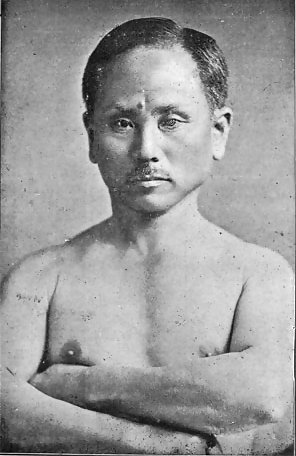
Karate developed in Okinawa long before Shotokan had a name. Gichin Funakoshi (1868–1957) studied with Okinawan masters Ankō Asato and Ankō Itosu and became a teacher and advocate for the art.
In 1922, Funakoshi demonstrated Okinawan karate at a physical education exhibition in Tokyo. He stayed in Japan to teach, helping karate reach new students and universities. His work is why he is often called the father of modern karate. He did not create Okinawan karate alone; he helped bring it into a new era.
What does Shotokan mean?
Shōtō, meaning “pine waves,” was Funakoshi’s pen name. Kan means “hall” or “building.” Shotokan became the name of the dojo built for his teaching in Tokyo in the 1930s, and eventually the name associated with this karate tradition.
Gichin Funakoshi is born in Shuri, Okinawa.
He presents Okinawan karate in Japan and begins teaching there.
His dojo takes the name Shotokan, which comes to identify the tradition.
Funakoshi dies, leaving teachings that continue through Shotokan dojos around the world.
Training with purpose
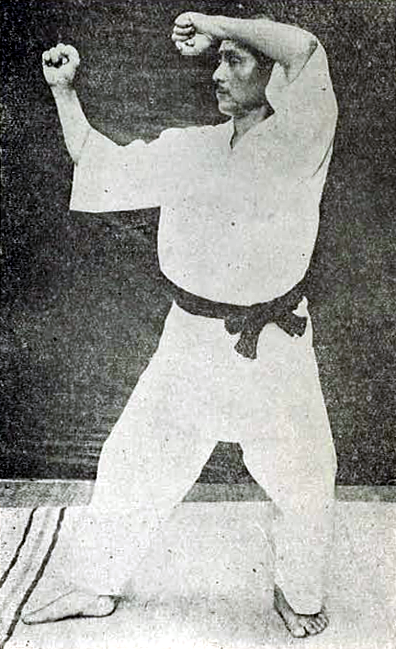
Funakoshi taught karate as more than a collection of techniques. His approach placed character and lifelong learning alongside physical practice. Shotokan students train fundamentals, kata, and partner work while developing focus, respect, and self-control.
At Keihatsu Dojo in Palm Coast, we carry that spirit into every class. Ask about joining →